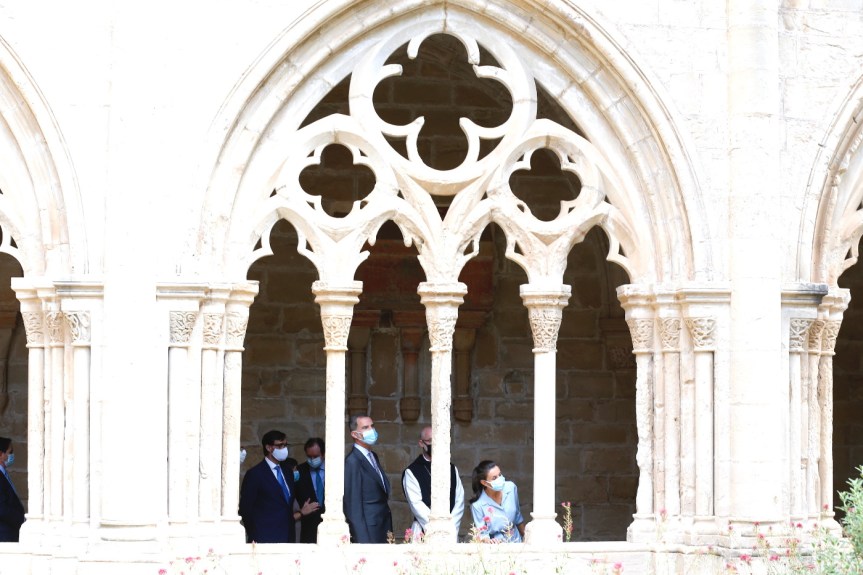
King Felipe and Queen Letizia visited Catalonia last week on their ongoing countrywide tour.
A trip to Catalonia — in this case to a monastery in Tarragona — is notable because of the years-long political instability there. The region has also seen a spike in COVID-19 cases.
Pro-independence protesters were near the site but police kept them away from the King and Queen.
King Felipe and Queen Letizia have been crisscrossing Spain for the past several week during a delicate time for the country and the Royal Family.
Their Majesties worked to be active during the pandemic lockdown and have been visible during the reopening, including visiting several museums and cultural attractions.
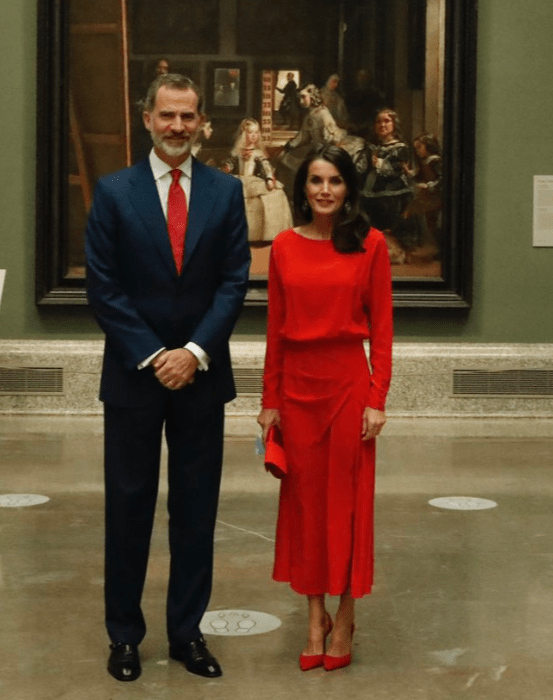
King Felipe and Queen Letizia at the Prado Museum in Madrid to launch the Spain for Sure tourism campaign in June. Spanish Royal Household
They have also visited beaches and walked through numerous communities. Their visits have been informal and meant to connect them with regular people.
The King and Queen in the Canary Islands. Spanish Royal Household
Spaniards, fed up with corruption, the Catalan crisis, recession and scandal, have taken out their frustrations on the governing class — including the Monarchy. Despite the Royal Family’s efforts, many people see them as not having done enough to fight COVID-19.
The King and Queen in Aragon. Spanish Royal Household
Then there’s King Juan Carlos, who is embroiled in a financial scandal related to $100 million gift from the Saudis, some of which may have ended up in the hands of a former lover.
King Felipe has disconnected himself from his father financially and discussions are ongoing about the elder monarch’s status within the Royal Family.
Spain’s Princess Leonor, the heir to the throne, and Infanta Sofia took to social media last month to thank medical workers and other professionals on the front lines of the coronavirus pandemic.
The princesses recorded a video posted on YouTube and on Twitter, part of the Royal Household’s effort to be visible and active during the ongoing lockdown.
Leonor, the Princess of Asturias, and her sister also recorded themselves reading a section of Spanish literary masterpiece Don Quixote. Several personalities participated to mark World Book Day.
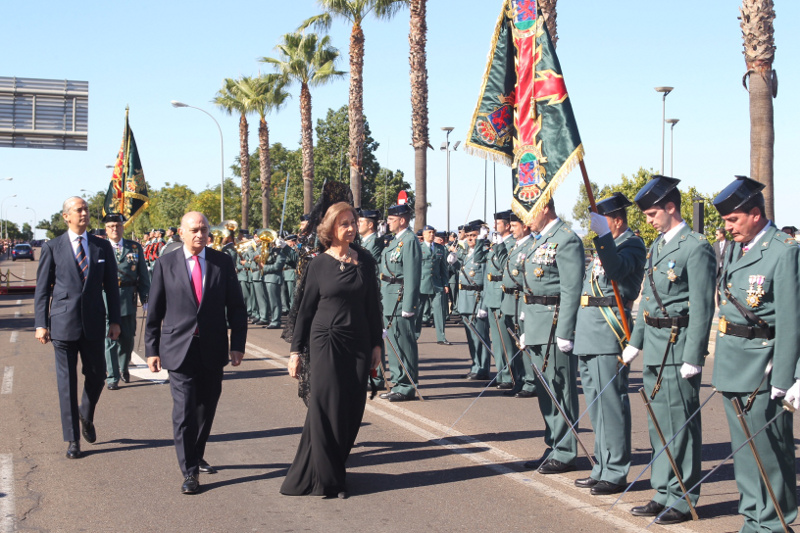
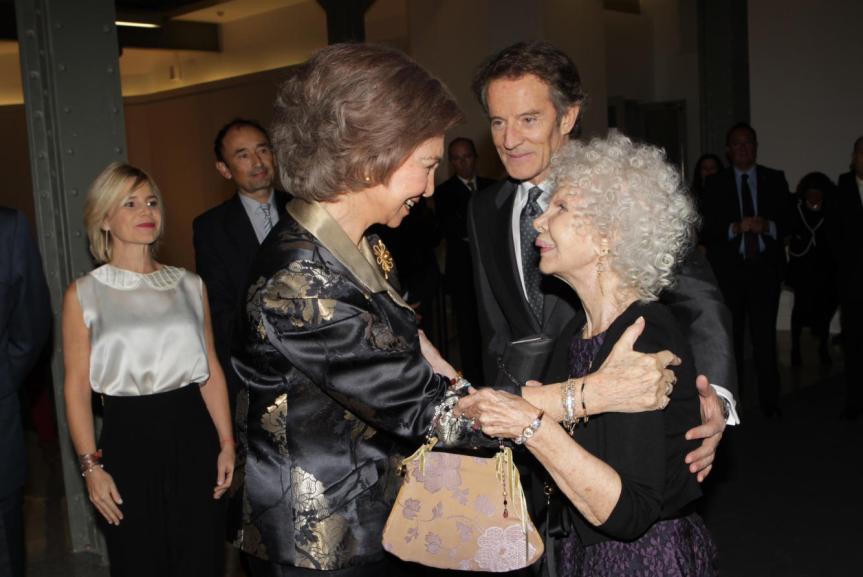
Her Majesty decided against wearing a more formal, black dress and mantilla on her hair as queens have done for such ceremonies, and as Queen Sofia did in the picture below.
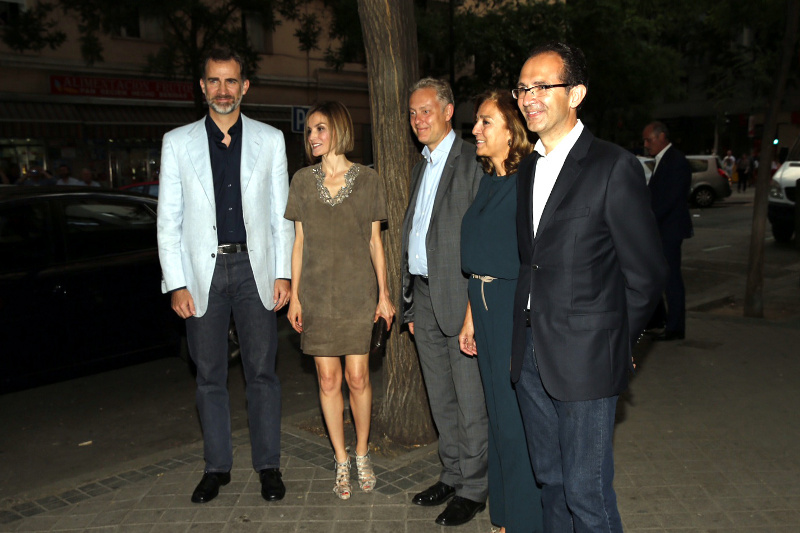
Recently she and King Felipe dressed down to attend a Madrid scientific monologue contest, above, and the King celebrated Spanish victory in a basketball tournament, below.
The Royal Household also released a series of statistics about Their Royal Highnessess as Prince and Princess of Asturias, and heirs to the Spanish throne.
The couple has made more than 70 foreign trips to 38 countries. They have hosted more than 1,500 official events together, with Princess Letizia hosting 190 by herself.
The Prince and Princess have also received more than 7,000 people together during audiences.
King Juan Carlos and his family have a number of Royal Palaces, sites and homes at their disposition.
In practice, however, they only use a fraction of them on a regular basis, and mostly for official occasions. Below is a non-exhaustive list:
Photo by Manuel Quinones.
The Madrid Royal Palace, above, is the King’s official residence and site for the most important state gatherings.
It has a large dining room, numerous works of art, an armory with historic weapons belonging to members of the Royal Family, and the official Throne Room.
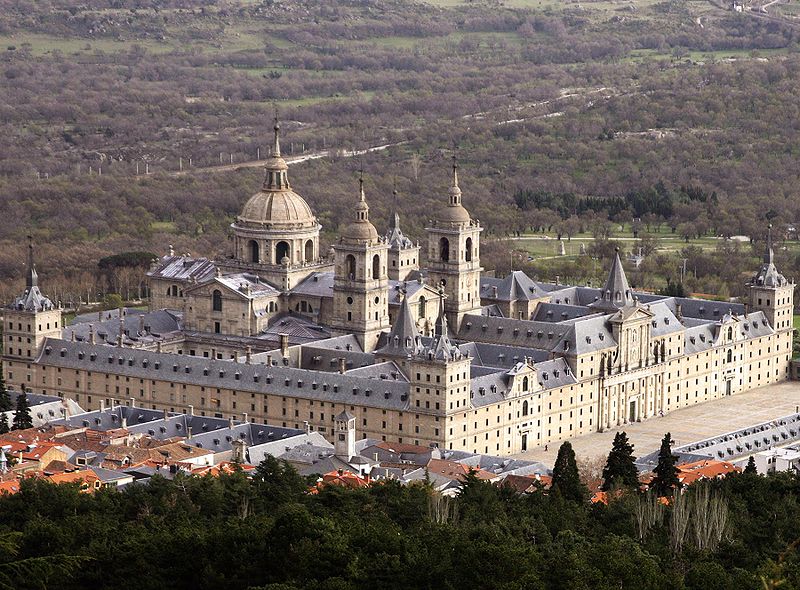
Royal Site of San Lorenzo del Escorial.
The Royal Site of San Lorenzo del Escorial is a large palace and monastery in the Madrid region, which includes a tapestry museum, a library, a basilica and the official burial place for members of the Spanish Royal Family.
On the grounds is a small house called La Casita del Principe for the Prince of Asturias, the heir to the Spanish throne.
Nearby is the Valley of the Fallen, resting place for former Dictator Francisco Franco.
Prince Felipe and his wife Princess Letizia, however, currently live in a newly built small palace often called the Prince’s Pavilion, pictured below.
The Prince’s house is a short drive from Zarzuela Palace, where King Juan Carlos and Queen Sofia have lived for several decades.
Former Franco rehabilitated Zarzuela, an old royal hunting lodge, for the young couple. They moved in in shortly after their wedding in Athens, when their future as heirs to the Spanish throne was still uncertain.
Welcoming guests at Zarzuela Palace.
The King and other members of the Royal Family often receive informal visits at Zarzuela, which is equipped with communications capabilities and contains Royal Household offices in support of the Monarch as the Head of State.
The King’s dispatch is at Zarzuela with his official Royal Standard flying above. Queen Sofia’s sister, Princess Irene of Greece, also lives on the site.
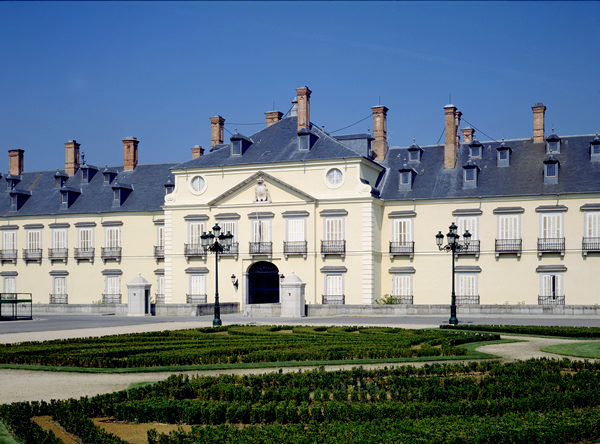
The Zarzuela Palace, also outside of central Madrid, is in the grounds of El Pardo Palace, pictured above. Franco used to live at El Pardo, which now includes reception rooms and apartments for guests.
Most Royal Palaces and sites, which include monasteries and gardens, are owned by the state and run by Patrimonio Nacional or National Heritage.
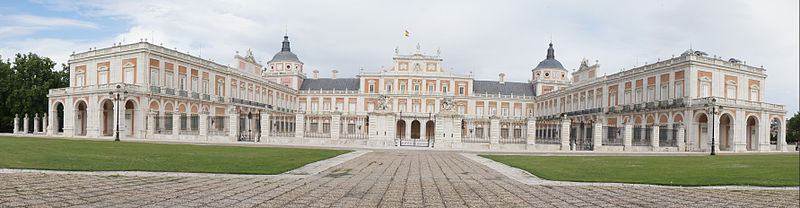
Also in the Madrid region, but to the south, is the Royal Palace of Aranjuez, pictured below.
Several Royal sites are located in the Segovia area, north of Madrid.
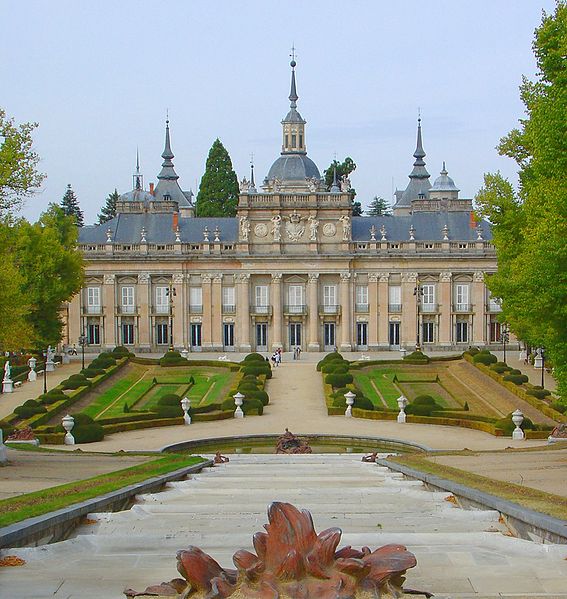
The Gardens of La Granja de San Idelfonso, above, extend more then 1,000 acres. The Riofrio Palace, below, was built for Queen Elisabeth Farnese in the 1700’s but has generally been barely used.
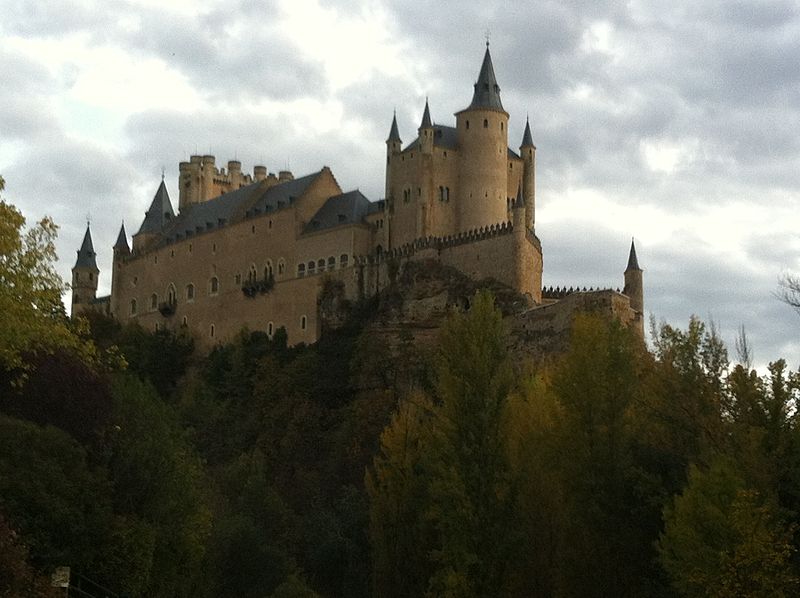
Also in Segovia is the Alcazar de Segovia, which was used by Queen Isabella of Castile. It is run by a patronage and one of several castles that were once royal homes are now museums.
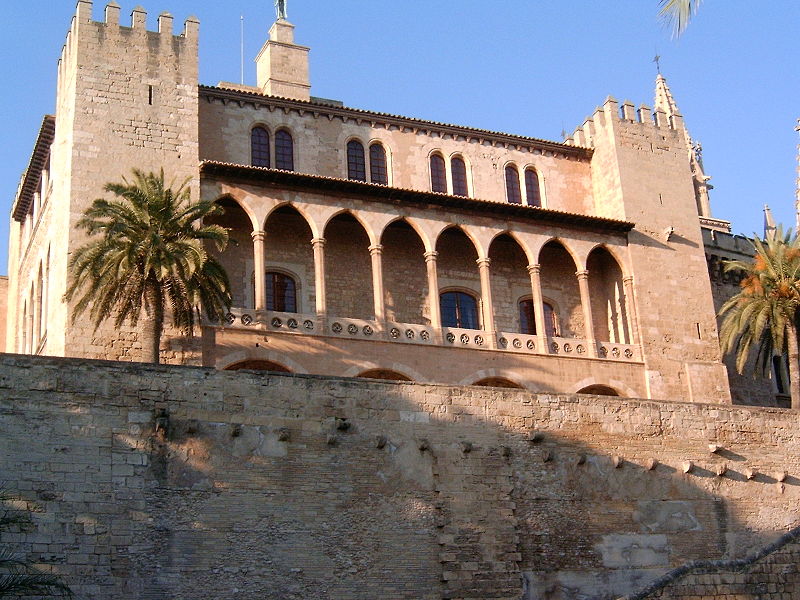
The King’s official residence in Barcelona is owned by the local government. The same goes for the Royal Family’s summer residence in the Balearic Islands, Marivent Palace in Palma de Mallorca.
An important story about the Spanish Royal family has begun trickling into the international media. The story is important not because of its gossip value but because of its constitutional lessons.
Two Spanish courts have rejected claims from two people saying the are illegitimate children of King Juan Carlos. The Telegraph wrote this about Alberto Sola Jimenez from Catalonia and Ingrid Sartiau from Belgium:
In an interview earlier this year she said: “My mother told me who my father was while we were watching television. An image of King Juan Carlos flashed up and she said: ‘That man’s your father.'”
The pair met for the first time in June when they underwent DNA tests that show there is a 91 per cent chance that they have one parent in common.
However, the courts rejected their claims because the Spanish Constitution makes clear that the person of the King is “inviolable.”
King Juan Carlos receives new ambassadors at Royal Palace in Madrid.
The Royal Household has remained silent about the story, which has appeared in El Mundo and El Huffington Post, but has not been prevalent in many mainstream media outlets.












 LOS BORBONES