King Felipe last week stripped his sister Infanta Cristina of her Duchess of Palma title because of the corruption scandal embroiling her and her husband.
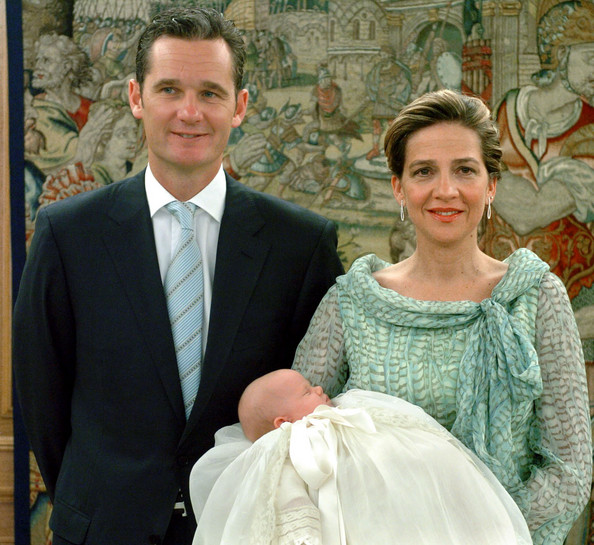
King Juan Carlos made infanta Cristina a duchess when she married Iñaki Urdangarin. But authorities accuse Urdangarin of using a non-profit company for personal gain. And the Infanta has stood by her husband.
The Royal Household under Don Juan Carlos had already stripped the couple of royal duties and had urged Infanta Cristina to renounce her dynastic rights. She has refused.
Infanta Cristina and her husband.
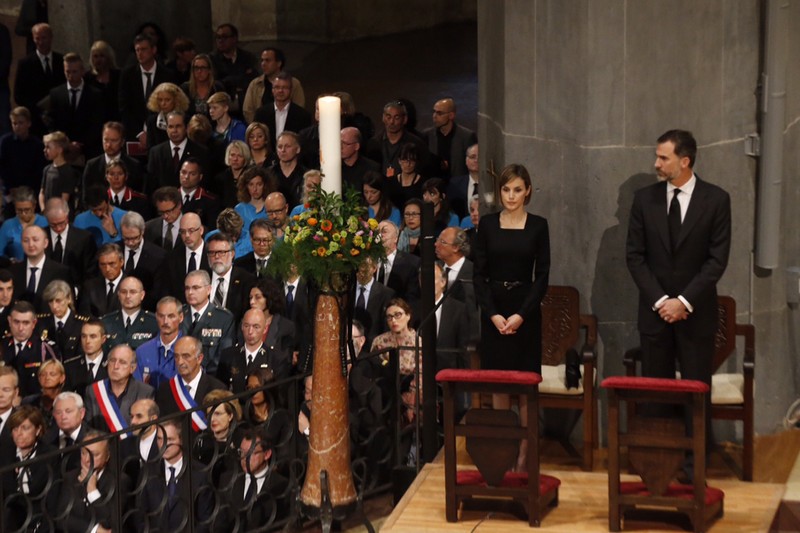
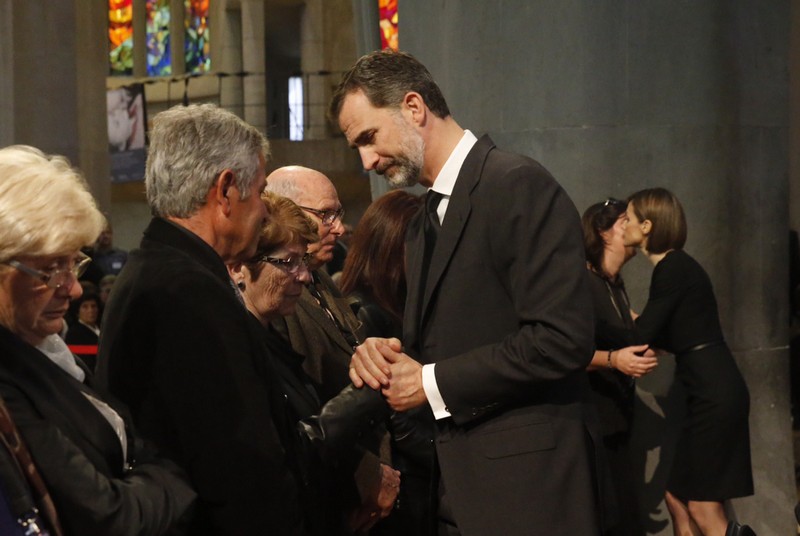
Events have moved fast. Infanta Cristina was in Spain recently with the rest of her family for Prince Kardam’s funeral.
However, now the dispute is over whether the King stripped Infanta Cristina of her title or she resigned it. She sent him a letter doing so at around the same time.
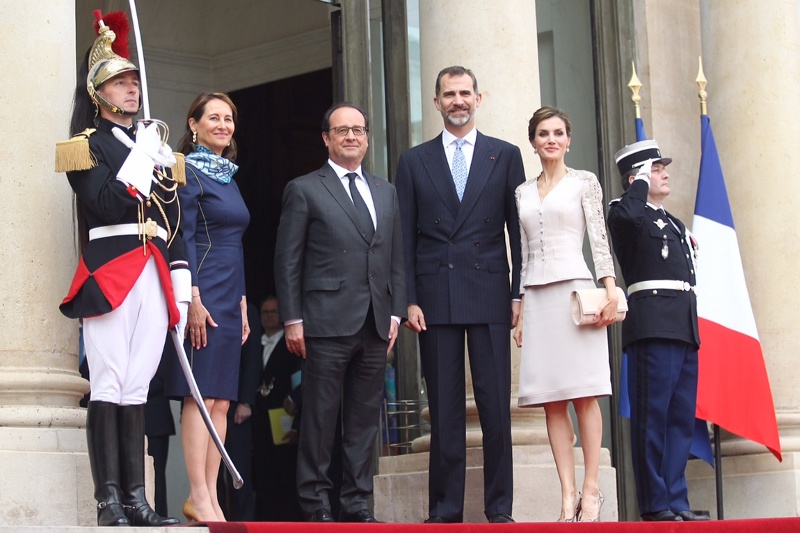
The King and Queen are meeting with French President Francois Hollande and a roster of other French officials, plus industry leaders and Spaniards living in France.
King Felipe also helped honor French workers who responded to the airplane crash, plus met with the head of the Organization for Economic Cooperation and Development.
Abdication Anniversary
The King and Queen’s trip to France coincided with the one year anniversary of King Juan Carlos’ abdication announcement.
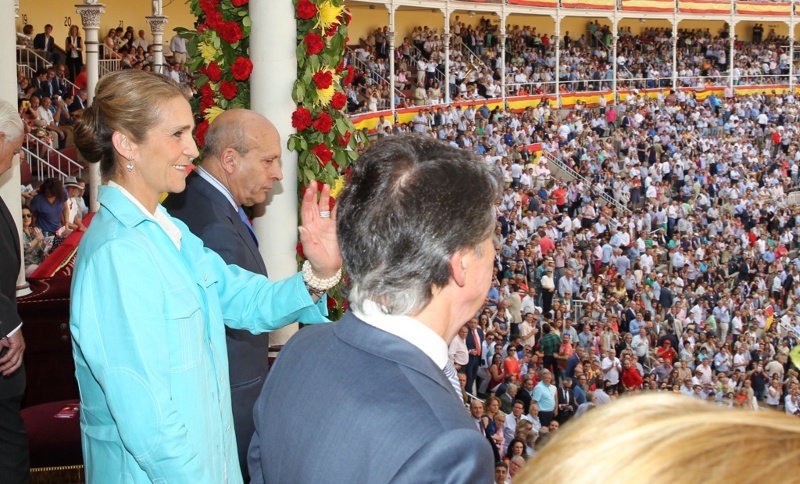
Don Juan Carlos continues making public appearances, but much fewer. He was recently at a a bullfight in Madrid.
Spanish monarchists and establishment political figures gasped when football fans whistled during the the national anthem, the Royal March, at this weekend’s King’s Cup final game.
Critics said the whistling, with King Felipe in attendance, was a sign of deep disrespect. Some suggested punishing teams with fans misbehaving.
Other political figures, including heads of the Basque and Catalan governments, which tend to be wary of the national government, said any punishment would just boomerang.
Princess Leonor, heir to the Spanish Crown, celebrated her first communion at school last week along with family.
Pictures of the actual ceremony have yet to emerge, but members of the Royal Family posed for the waiting press outside.
Present were King Felipe and Queen Letizia, King Juan Carlos and Queen Sofia, and Infanta Sofia, among others.
Separately, members of the Royal Family this weekend celebrated the first communion for the children of King Felipe’s cousin, the son of Infanta Pilar, King Juan Carlos’ sister.
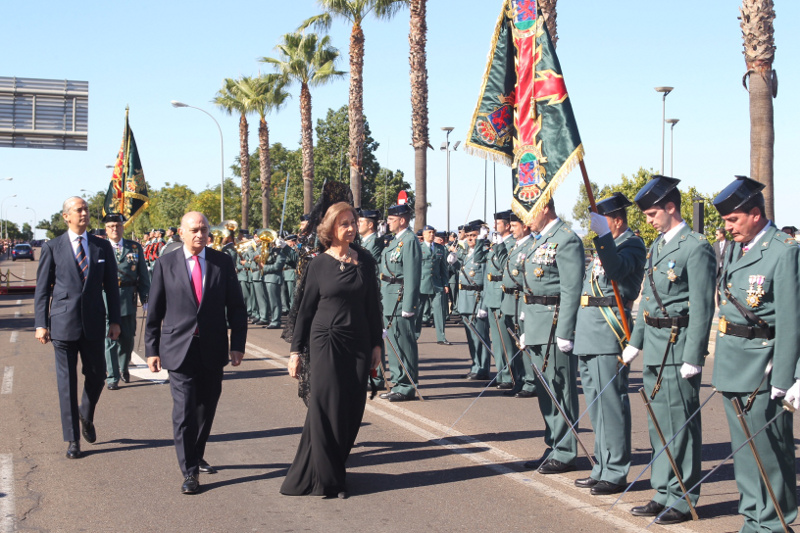
Her Majesty decided against wearing a more formal, black dress and mantilla on her hair as queens have done for such ceremonies, and as Queen Sofia did in the picture below.
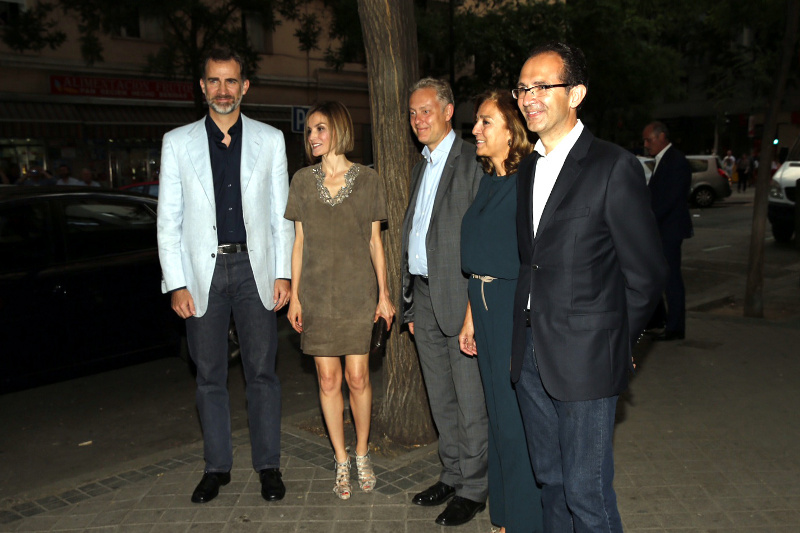
Recently she and King Felipe dressed down to attend a Madrid scientific monologue contest, above, and the King celebrated Spanish victory in a basketball tournament, below.
King Juan Carlos wanted to marry his mistress, German Princess Corinna zu Sayn-Wittgenstein. But she soon became a liability that helped end his 39-year reign.
Ana Romero, former royal correspondent for El Mundo newspaper, is out with a new book about the years-long controversy that has engulfed the Spanish Royal Family and threatened the Crown.
Romero described how journalists in Spain have for years protected the Royal Family, especially during the years of economic growth and high popularity.
But the corruption allegations engulfing King Juan Carlos’ daughter and son-in-law, increased public scrutiny of leaders, and the public’s knowledge of Princess Corinna tarnished their reputation.
The book reveals that years ago King Juan Carlos had Princess Corinna live in a chalet on royal grounds near his Zarzuela Palace in secret. He was also mixing business with pleasure, using Corinna to help with international contacts.
The King has had other mistresses, the book explains, but they were discrete Spanish women. Corinna was different and more dangerous, Romero said, leading Spanish authorities and intelligence services to consider her a threat to the country’s stability.
The King’s fall during a hunting trip to Botswana in 2012 was a pivotal event. People started wondering why he took such a lavish trip during an economic crisis, and why he was with a German princess and not Queen Sofia.
King Juan Carlos tried to recover his popularity and resisted abdicating, worried about then-Prince Felipe’s ability to take over and then-Princess Letizia’s fitness to be Queen. He never fully warmed up to his daughter-in-law.
The Royal Household pointed out his role as Spain’s hard-working booster, sometimes securing contracts for Spanish companies. But critics wondered about what the King got out of it, and pointed at gifts from Arab rulers.
The public mood plus continued health problems and gossip made it impossible for King Juan Carlos to recover the public’s esteem. Not even a royal apology worked.
More than a year after the abdication, King Felipe and Queen Letizia have helped return high approval ratings for the Crown, according to a new survey.
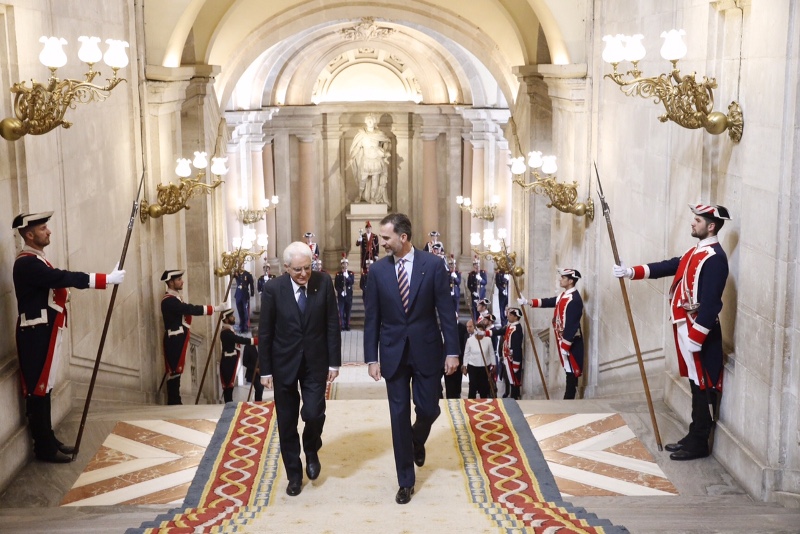
King Felipe with Italian President Sergio Mattarella at the Royal Palace in Madrid.
King Felipe has expanded on his father’s budget-cutting and transparency initiatives. Queen Letizia, not of royal blood, has worked to make the Crown more inclusive.
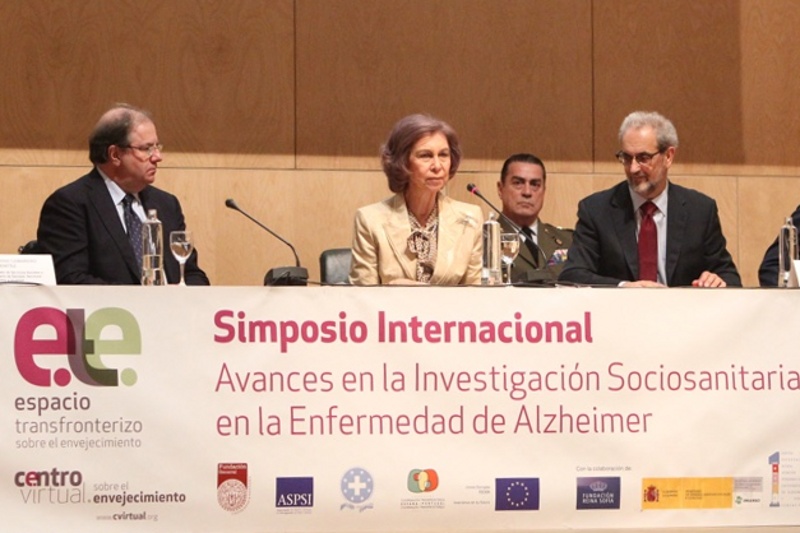
Queen Sofia, who is said to keep a distant relationship with her husband, keeps a public agenda in Spain, plus family all over Europe.
The former Greek princess achieved her goal of helping consolidate the restored Spanish Monarchy and secure it for her son.
King Juan Carlos has also stayed on the Royal agenda, but on a diminished capacity. He enjoys travel around the world and Spain, often seen at restaurants.
History will remember him as the man who inherited a dictatorship in the 1970’s and helped craft a progressive Constitutional Monarchy.
He wanted to be the best and longest-serving Bourbon to rule Spain. Romero says he almost got there on both counts.
Other good books about the Spanish Monarchy include, but are not limited to, Paul Preston’s “Juan Carlos: Steering Spain from Dictatorship to Democracy,” Pilar Eyre’s “The Loneliness of the Queen” and Pilar Urbano’s “The Queen Up Close,” both about Queen Sofia.
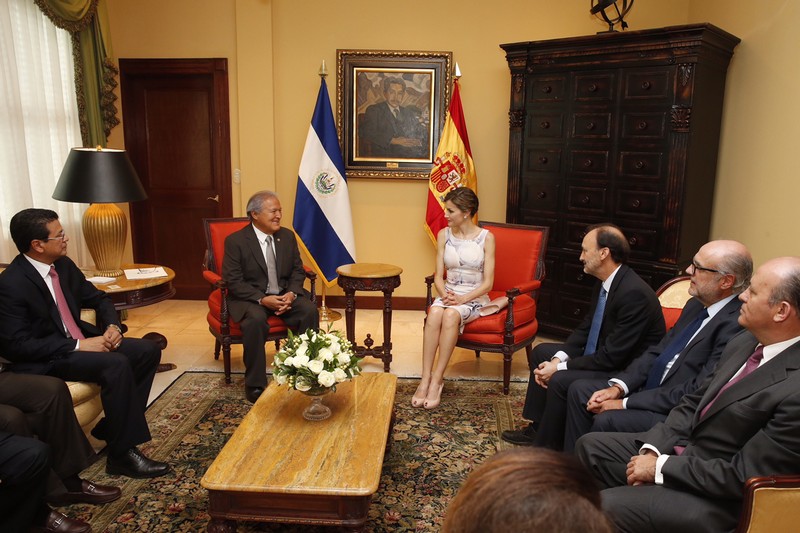
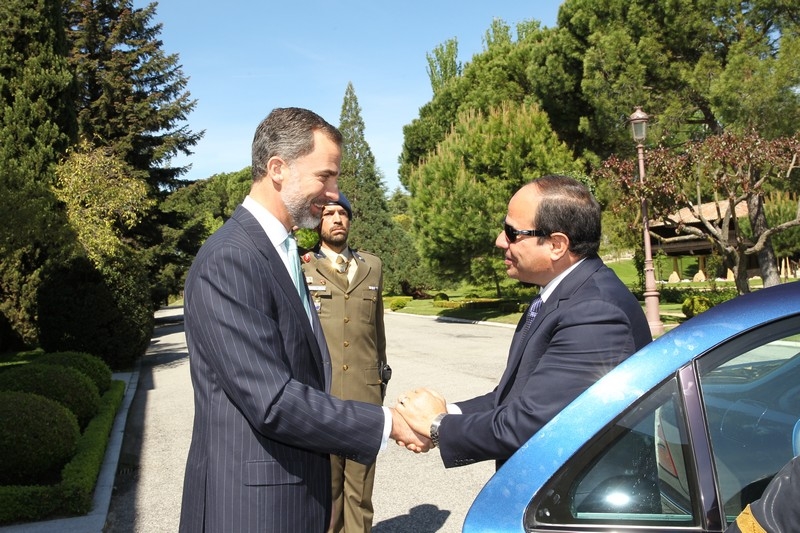
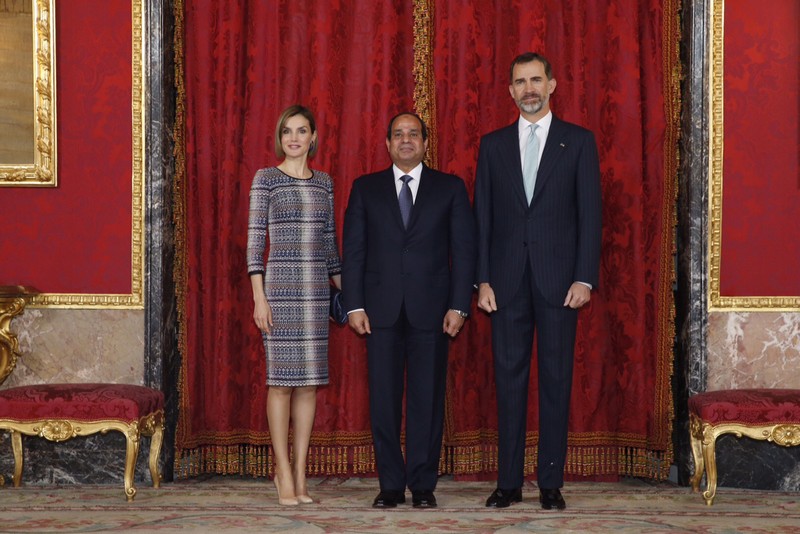
His Majesty and senior Spanish officials met with Al-Sisi at Zarzuela Palace. The King and Queen then hosted a lunch at the Royal Palace in downtown Madrid.
She appeared to have it short during an awards ceremony early in April, pictured above, and a Royal Palace gathering to honor the winner of the prestigious Cervantes award, pictured below.
But then it appeared to be longer during the actual awards ceremony the very next day, pictured below.
But there’s no denying it — she cut it off.
Queen Letizia and Queen Sofia at El Pardo palace.
While Queen Letizia often changer her hair style, her mother-in-law, Queen Sofia, has kept the same hairstyle — sometimes longer, sometimes shorter — for decades. It fits her well.















 LOS BORBONES